Product and service information
Prepare authorized product details, size guidance, offer conditions and store policies.

For independent retailers
Bring your knowledge to the moments when shoppers need guidance. Start with one product line, then agree the scope and evaluation of a retailer pilot.
Put your retail expertise to work
Product specifications are a starting point. Your team also knows why customers ask certain questions, which trade-offs matter and what needs a careful explanation. We start with your information and example answers to shape the guidance together.
Information access, configuration and maintenance responsibilities are agreed as part of the pilot.
Discuss your product informationPrepare authorized product details, size guidance, offer conditions and store policies.
Bring the questions your best salesperson asks and the differences they explain.
Identify missing information and misunderstandings, then improve the source material and wording.
Follow a shopping decision
Clarify the need, explain the differences and help the shopper check their choice. When they ask to go straight to checkout, keep the next step simple instead of adding more recommendations.
An illustrated shopping journey. The experience store uses demonstration cart and checkout steps; no order or payment is created.
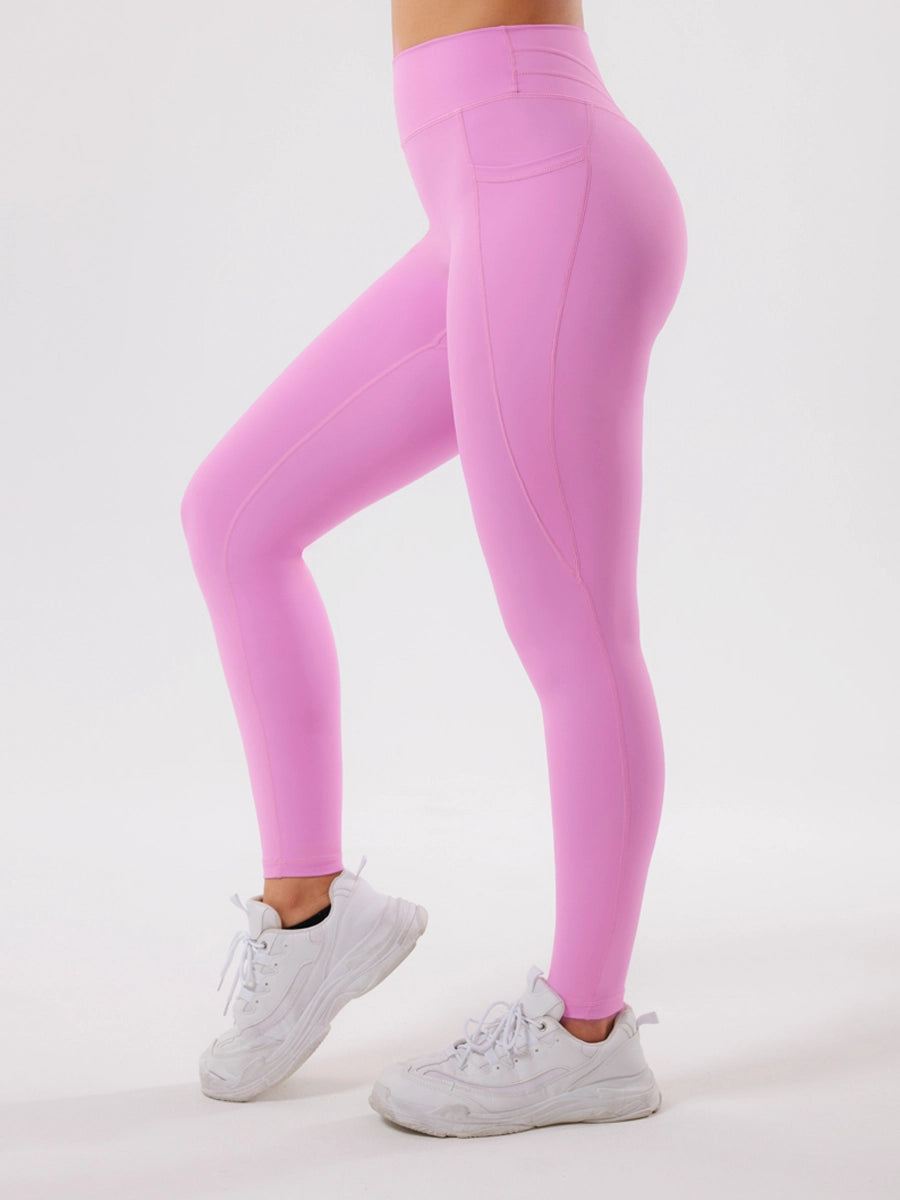
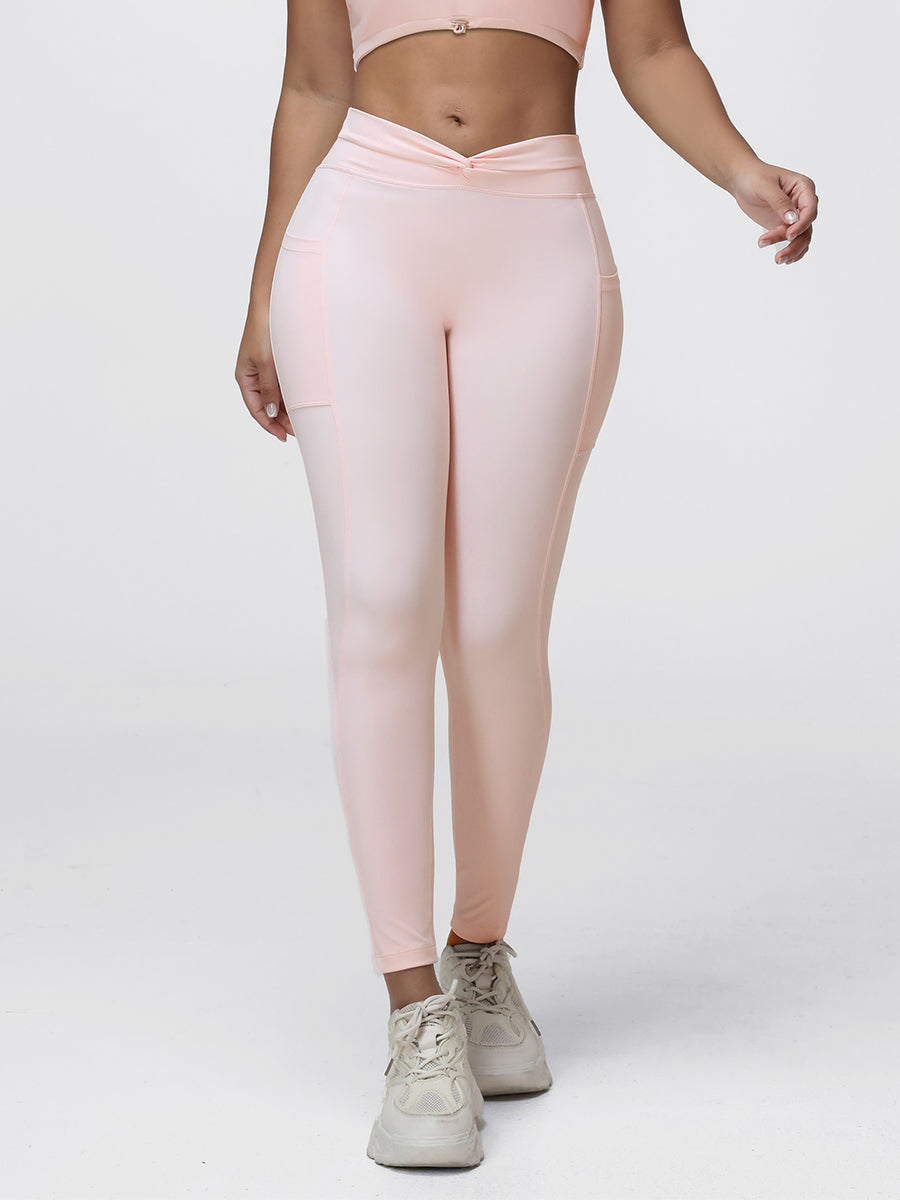
Try the shopping experienceYoga leggings for practice and everyday wear, with pockets.
Look at the high-waist and twist-waist designs and choose a preference.
Consult the product size chart, then confirm color, size and quantity.
Review the selected item and continue to checkout without unrelated suggestions.
The lasting value of customer questions
Keep useful conversations for more than the next answer. They can help your team see what product information is unclear, which needs remain unmet and what is worth explaining next. These five uses can form part of an agreed merchant engagement.
Illustrative shopping scenario
A shopper might ask
Will my phone fit in the side pocket?
What your team can take from it
Suggest measured pocket dimensions, opening details and supporting photos for the product page. Your team confirms the measurements and wording; the conversation is not a source of invented specifications.
Illustrative shopping scenario
A shopper might ask
Could the pocket have a zip to feel more secure during exercise?
What your team can take from it
Keep the request for a pocket closure for the product team to assess design, usability and feasibility. A question is a clue, not proof that the existing product is faulty.
Illustrative shopping scenario
A shopper might ask
Is there a shorter-leg version for petite shoppers?
What your team can take from it
Summarize the requested leg length, intended use and limits of the available options. Validate the need before deciding whether to develop a new size or range.
Illustrative shopping scenario
A shopper might ask
My measurements fall between two sizes. How should I choose?
What your team can take from it
Build a reusable answer from this product’s size chart and guidance confirmed by your team. Keep the applicable product and source with the answer instead of assuming one rule fits every item.
Illustrative shopping scenario
A shopper might ask
What details matter when choosing leggings for yoga or everyday wear?
What your team can take from it
Use “How to compare design details for yoga and everyday wear” as a starting point for a buying guide, social Q&A and discussion prompts. Ground the content in verified product information.
Identify details shoppers keep checking but the page does not explain. Turn those gaps into suggestions for product pages, listings, specifications and use guidance.
Illustrative shopping scenario
A shopper might ask
Will my phone fit in the side pocket?
What your team can take from it
Suggest measured pocket dimensions, opening details and supporting photos for the product page. Your team confirms the measurements and wording; the conversation is not a source of invented specifications.
Group concerns about fit, materials, features and use. Separate unclear information from requests for a better design so the team can decide what to investigate.
Illustrative shopping scenario
A shopper might ask
Could the pocket have a zip to feel more secure during exercise?
What your team can take from it
Keep the request for a pocket closure for the product team to assess design, usability and feasibility. A question is a clue, not proof that the existing product is faulty.
Collect uses, specifications and designs that the range does not yet serve. Use them to inform assortment research and product development, without treating question counts as proven market demand.
Illustrative shopping scenario
A shopper might ask
Is there a shorter-leg version for petite shoppers?
What your team can take from it
Summarize the requested leg length, intended use and limits of the available options. Validate the need before deciding whether to develop a new size or range.
Group similar questions and pair them with answers your team has checked. Use the results to update store FAQs and shopping guidance, keeping them current as products and policies change.
Illustrative shopping scenario
A shopper might ask
My measurements fall between two sizes. How should I choose?
What your team can take from it
Build a reusable answer from this product’s size chart and guidance confirmed by your team. Keep the applicable product and source with the answer instead of assuming one rule fits every item.
Use real shopping questions and comparisons to develop social Q&As, short videos, buying guides and article ideas for search and AI answers, including SEO and GEO content.
Illustrative shopping scenario
A shopper might ask
What details matter when choosing leggings for yoga or everyday wear?
What your team can take from it
Use “How to compare design details for yoga and everyday wear” as a starting point for a buying guide, social Q&A and discussion prompts. Ground the content in verified product information.
Separate information gaps, practical concerns and unmet needs.
Check product sources and retailer-approved answers; investigate missing details.
Organize product suggestions, FAQs, research questions and content material.
Your team approves updates or publication and keeps the material current.
These are directions for merchant collaboration. Data access, analysis and content deliverables are defined in the scope agreed with your team.
Remove personal information from material intended for publication and have your team verify and approve it. Questions inform needs and topics; they do not establish product facts or guarantee search rankings or AI citations.
Start where an explanation makes a difference
If customers often compare options, check specifications or ask about use, start with a focused product line. Yoga apparel is the current demonstration setting, not a limit on the categories we can discuss.
Discuss your product lineChoose a product line that prompts real questions your team regularly answers.
Provide accurate product, specification and service information.
Have a product expert review answers and bring feedback from shoppers.
Bring the details of your Shopify store or another commerce platform. Together, we will check compatibility, the product information that can be connected and the shopping steps that make sense for your store.
Modules, data access and delivery scope are agreed in the pilot proposal.
A product line, common questions, customer markets and commerce platform.
Agree the shopper questions and how your team would answer them.
Confirm scope, maintenance responsibilities and evaluation before moving forward.